



What are wet and dry rot?
Wet rot and dry rot are the most dangerous causes of damage to timber in your property. Both are fungal attacks that take hold where timber stays damp.
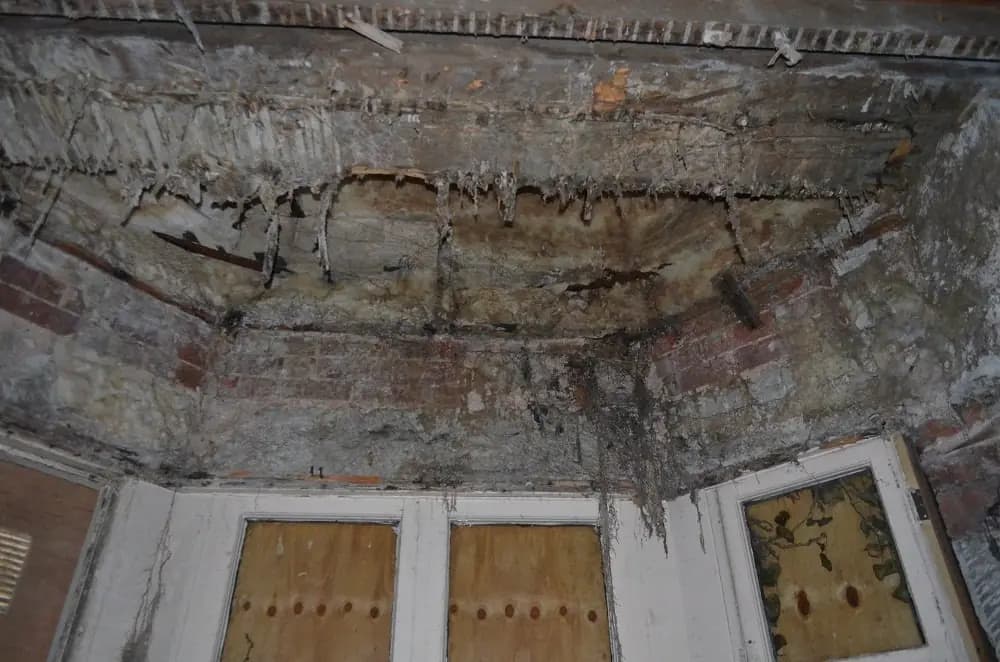
Dry rot in particular can spread rapidly, turning sound wood into worthless pulp and travelling through masonry to reach fresh timber elsewhere in the building.
The wet and dry rot treatment process
We specialise in detecting and eliminating timber fungal infestations. The first job is always identifying the root cause of the moisture — treating the fungus without fixing the source only buys time.
Once the cause is dealt with, we thoroughly treat the remaining sound timbers and adjoining masonry to stop the outbreak returning. For reinstatement work, we recommend pressure treated timbers.
We manufacture our own fungicidal fluid from fully approved, environmentally friendly chemicals, so we know exactly what is going into your property.
Dry rot or wet rot: what is the difference?
Wet rot stays where the water is. It softens and darkens timber that is kept persistently damp, commonly window joinery, skirtings and ground floor timbers, and once the moisture is cut off it stops.
Dry rot is worse. It sends strands through masonry, plaster and behind render to reach timber elsewhere, and those strands can carry moisture with them, so it can attack wood that was dry to begin with, several metres from the original outbreak. That is why a dry rot repair is rarely a case of replacing one board.
Signs of dry rot
Dry rot starts where nobody looks: under floors, beneath stairs, in roof voids, behind skirtings and inside boxed-in pipework. By the time it shows on a surface it has usually been developing for some time. Look for:
- Timber split into rough cubes across and along the grain
- Wood that feels light and dry and crumbles between the fingers
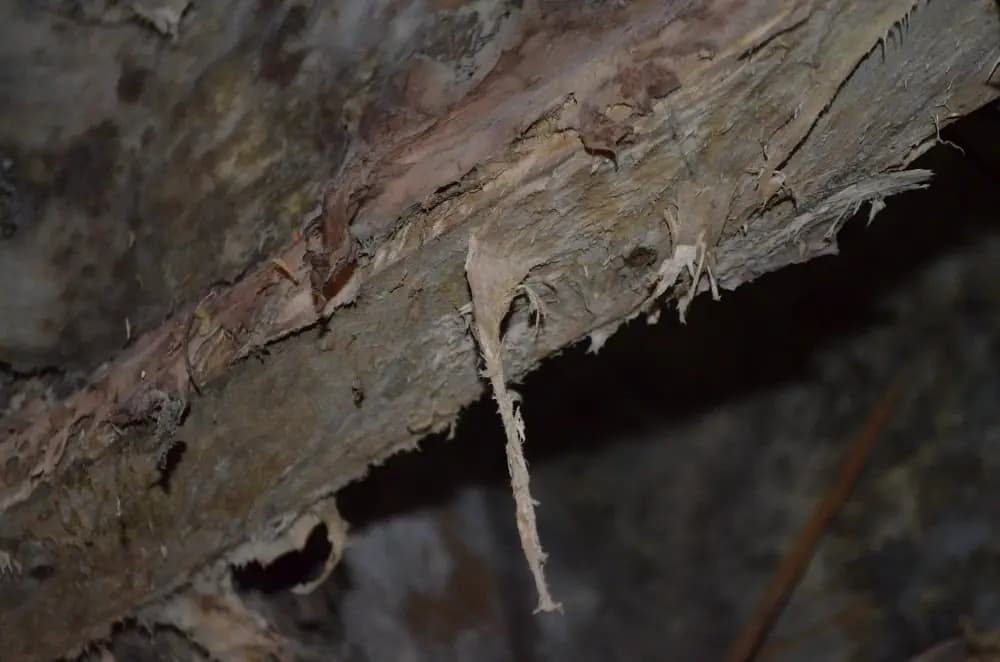
- White, cotton-wool growth on timber or masonry
- Grey strands running across brickwork or plaster
- A flat, rust-orange growth with a white edge, often shedding brick-red dust
- A strong damp, mushroomy smell, frequently the first thing anyone notices
What causes dry rot?
Dry rot needs four things at once: timber above roughly 20% moisture content, a source for that moisture, poor ventilation and moderate warmth. Take away any one and it cannot establish.
The one most often removed by accident is ventilation: blocked airbricks under a suspended floor, a sealed-up chimney, new windows in a room that used to breathe, or insulation packed over the eaves. The moisture source is usually a leak, a failed damp proof course, rain penetrating the masonry or ground water in a cellar.
How we treat dry rot
First, the moisture is found and stopped. Any repair that skips this fails. Second, the full extent of the outbreak is traced, including where it has travelled through masonry, which means lifting boards, removing panelling and checking adjacent voids. Guessing the boundary is how outbreaks come back.
Third, structurally compromised timber is cut out with a sensible margin, the remaining timber and adjacent masonry are treated with fungicide, and any replacement timbers are pressure treated.
Dry rot in churches and historic buildings
Thick masonry walls hold moisture for a long time, and roof voids and floor spaces in older buildings are often poorly ventilated, so churches and listed property are particularly vulnerable. In buildings like these the specification matters as much as the treatment, and we work to Property Care Association standards.
Rot treatment across Northern Ireland
We have treated wet and dry rot across the province for 59 years. We are Property Care Association members and TrustMark registered.