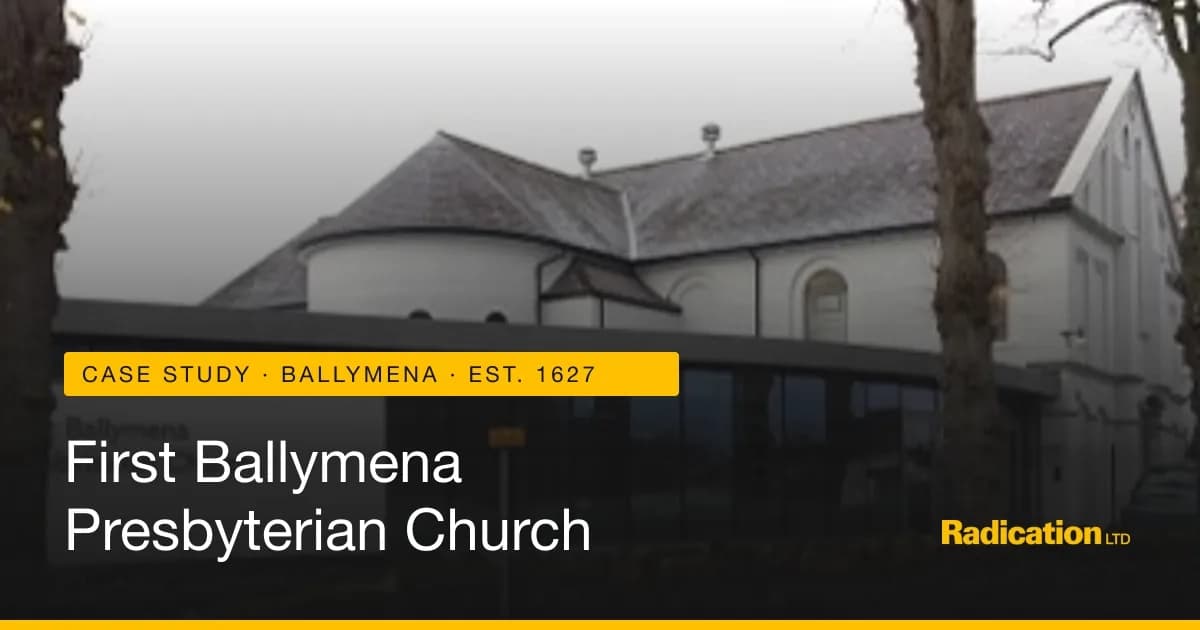
First Ballymena Presbyterian Church, est. 1627
Case study: extensive timber survey and woodworm, dry rot and damp proofing works at First Ballymena Presbyterian Church, established 1627.
Case study: extensive timber survey and woodworm, dry rot and damp proofing works at First Ballymena Presbyterian Church, established 1627.
Case study: damp and dry rot treatment at Bushmills Distillery, converting a storeroom into a new staff canteen. Surveyed pre-renovation, completed in three months.
Case study: insecticidal roof timber treatment at Dobbins Inn, Carrickfergus — a building with around 800 years of history at the heart of the town.
Old woodworm holes do not always mean a live problem. How to tell active woodworm from historic damage — fresh holes, frass, and what actually needs treating.
What happens during a professional woodworm survey, what the report should set out, and the questions to ask before agreeing to any treatment.
Rising damp and condensation look similar and need completely different work. How to tell them apart before you pay for a damp proof course you may not need.
Dry rot needs damp, unventilated timber to start, then spreads through masonry to reach fresh wood. What causes it, how to spot it, and what a proper repair involves.
Cementitious tanking creates a continuous waterproof barrier across walls and floors. When a damp proof course is not enough, and what the process involves.
What to check before hiring anyone to treat damp, woodworm or rot — accreditations, diagnosis, and the questions worth asking before you commit.
Case study: insecticidal woodworm treatment to the bell tower timbers at St John's Parish Church, Moira — a Georgian church dating from 1722.
Radication Ltd is proud to announce its sponsorship of Instonians RFC, a Belfast rugby club with deep personal roots for our team.
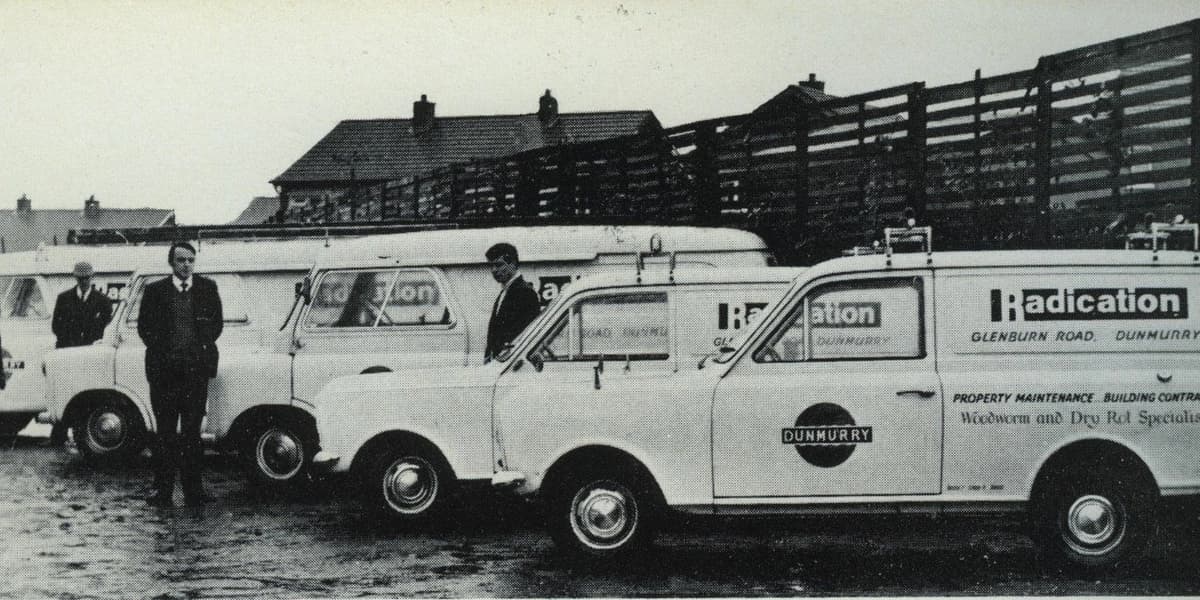
59 years, three generations, one family business - Radication's anniversary story, marking 59 years since founding in 1967 and looking ahead to the 60th anniversary.
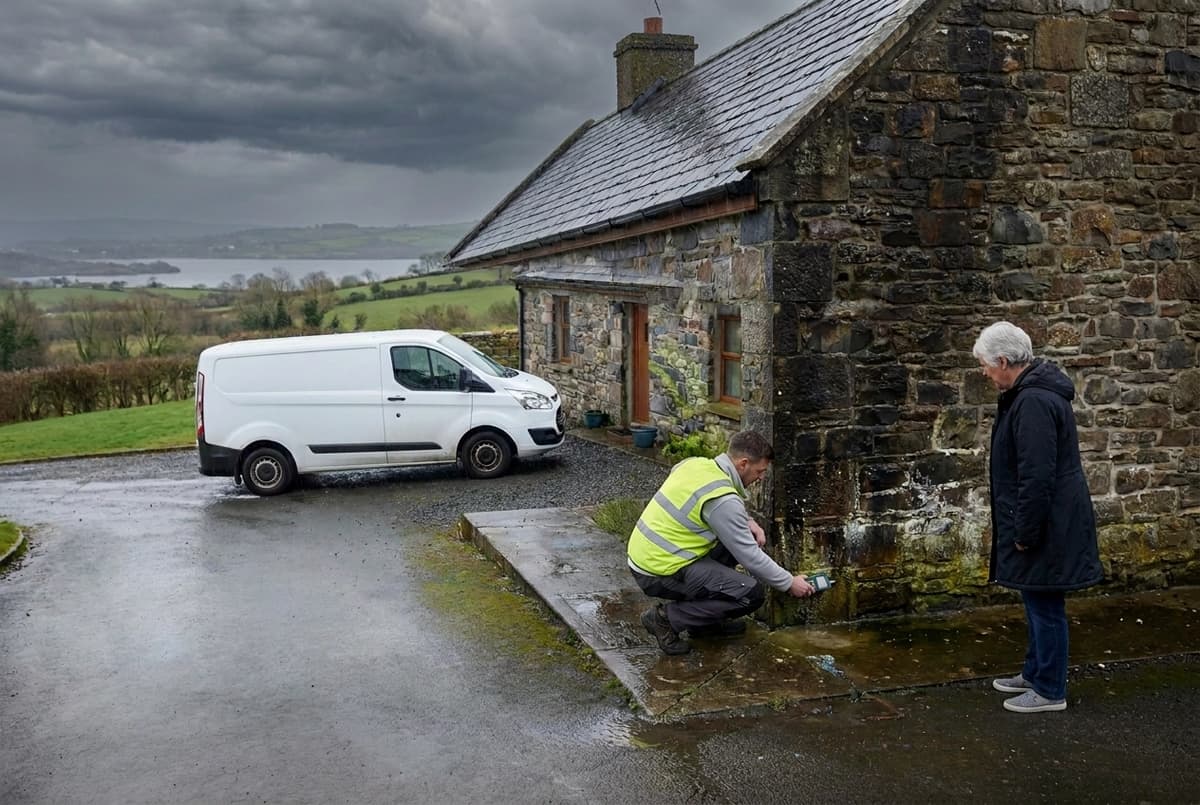
January 2026 was Northern Ireland's wettest in 149 years. Here's what that kind of sustained saturation does to the fabric of your home — and which problems to watch for before they become expensive.
Tell us what you're seeing and we'll get back to you.