



What is condensation?
Condensation occurs when warm, damp air meets cooler air or a colder surface such as a window. Warm air holds more water vapour than cold air, so when moist air hits a cold surface the moisture is released, forming droplets on walls and glass.
Many buildings get some form of condensation simply because they are not well enough ventilated. Modern sealed windows, blocked airbricks and unvented bathrooms and kitchens all make it worse.
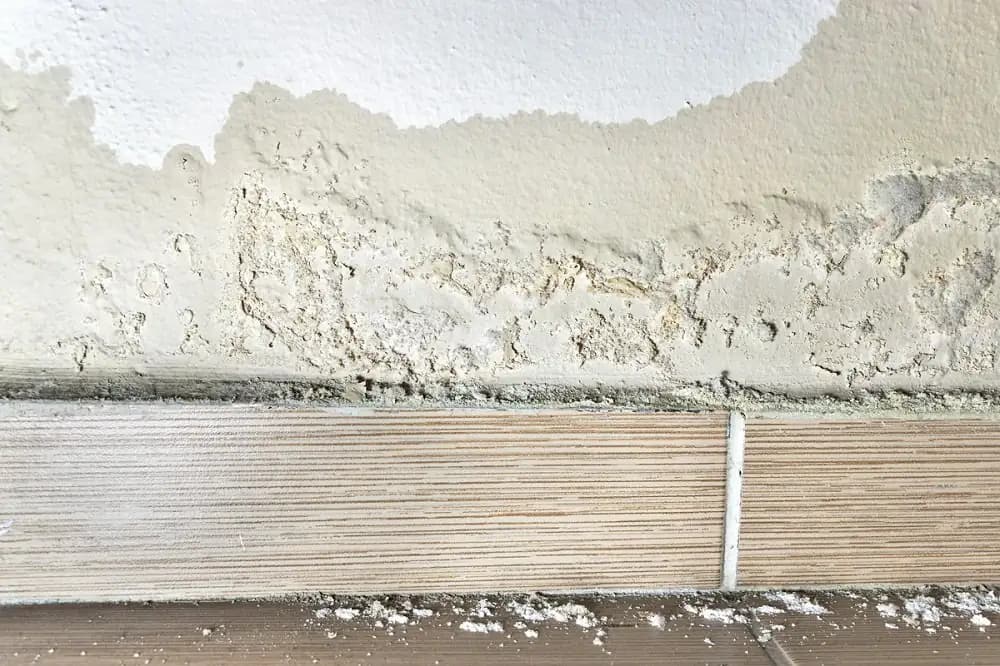
The give-away is where it appears: condensation shows up on cold surfaces, in corners, behind furniture and around windows. Rising damp starts at the bottom of the wall and works up, with a tide mark. They look similar and need completely different work.
How we treat condensation
We assess the property and identify why moist air is not getting out — ventilation rates, heating patterns, cold bridging and where the moisture is being generated.
You get a written report setting out what needs changing. Often that means improving ventilation rather than any chemical treatment at all, and we will tell you when that is the case.
Where mould has taken hold we treat the affected surfaces, but treating mould without fixing the ventilation only buys you a few months.